




Manuel Herrera, coordinator of the Support Unit of the General Directorate of Public Health of the Canary Islands Health Service and a member of the Public Health committee of the COFLP, pointed out that the Canary Islands “must now consider the creation of a new public institution to address emerging public health challenges.” Herrera made these statements during the panel “Pharmacists and Public Health: Training and Essential Functions,” arguing that "in a changing society, Public Health must anticipate illness and prevent it before treating it.".
“In the Canary Islands,” he added, “there is a population of over two million inhabitants, but tourism increases the population to nearly three and a half million, so waste management, waste generation, food supply, etc., requires us to be proactive and establish the necessary controls to prevent diseases and pests.”.
The importance of the pharmaceutical profession in this field becomes more visible when we consider that 20 % of the professionals practicing in this field belong to this group.
 Oncological research
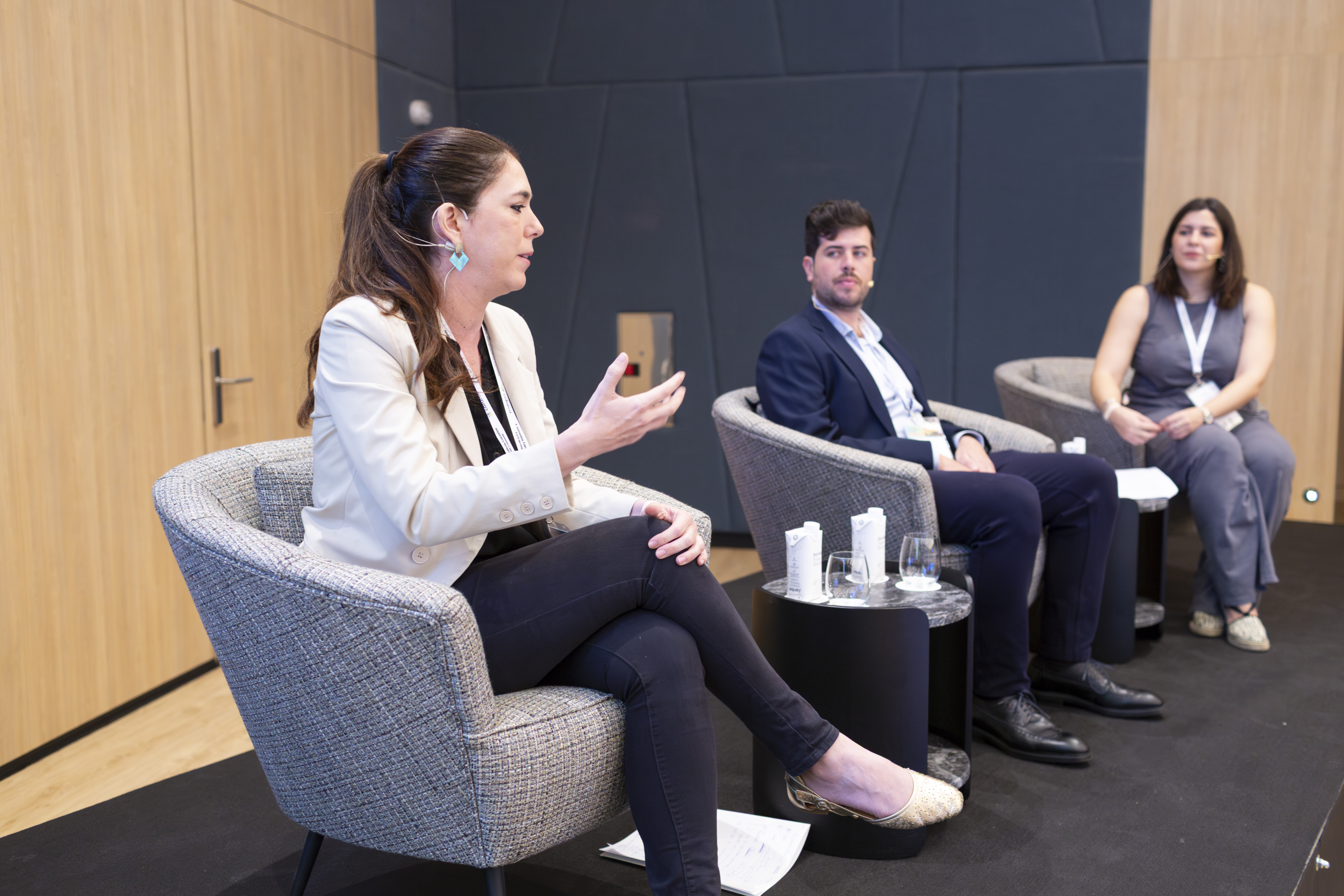
The roundtable discussion on pharmacists in oncological research highlighted the essential role of the pharmacist in the comprehensive management of cancer treatment, emphasizing their work in dispensing, monitoring, and therapeutic optimization. The importance of efficient management of oncological pharmacotherapy and a multidisciplinary approach was underscored, enabling improved therapeutic adherence and minimized adverse effects.
Furthermore, the role of community pharmacy was highlighted as a link between the network of pharmacists and official colleges, promoting closeness with the patient and greater care involvement. Advances in personalized therapies were also analyzed, where pharmacogenetics and new models for managing oncological medication reinforce the pharmacist's comprehensive vision.
Ultimately, the table reaffirmed the pharmacist's commitment to quality of care and therapeutic innovation, highlighting the importance of collaborative practice in which pharmacists, from their various areas of practice, must work together to maximize their impact on the care and management of oncological treatments.
AI applied to health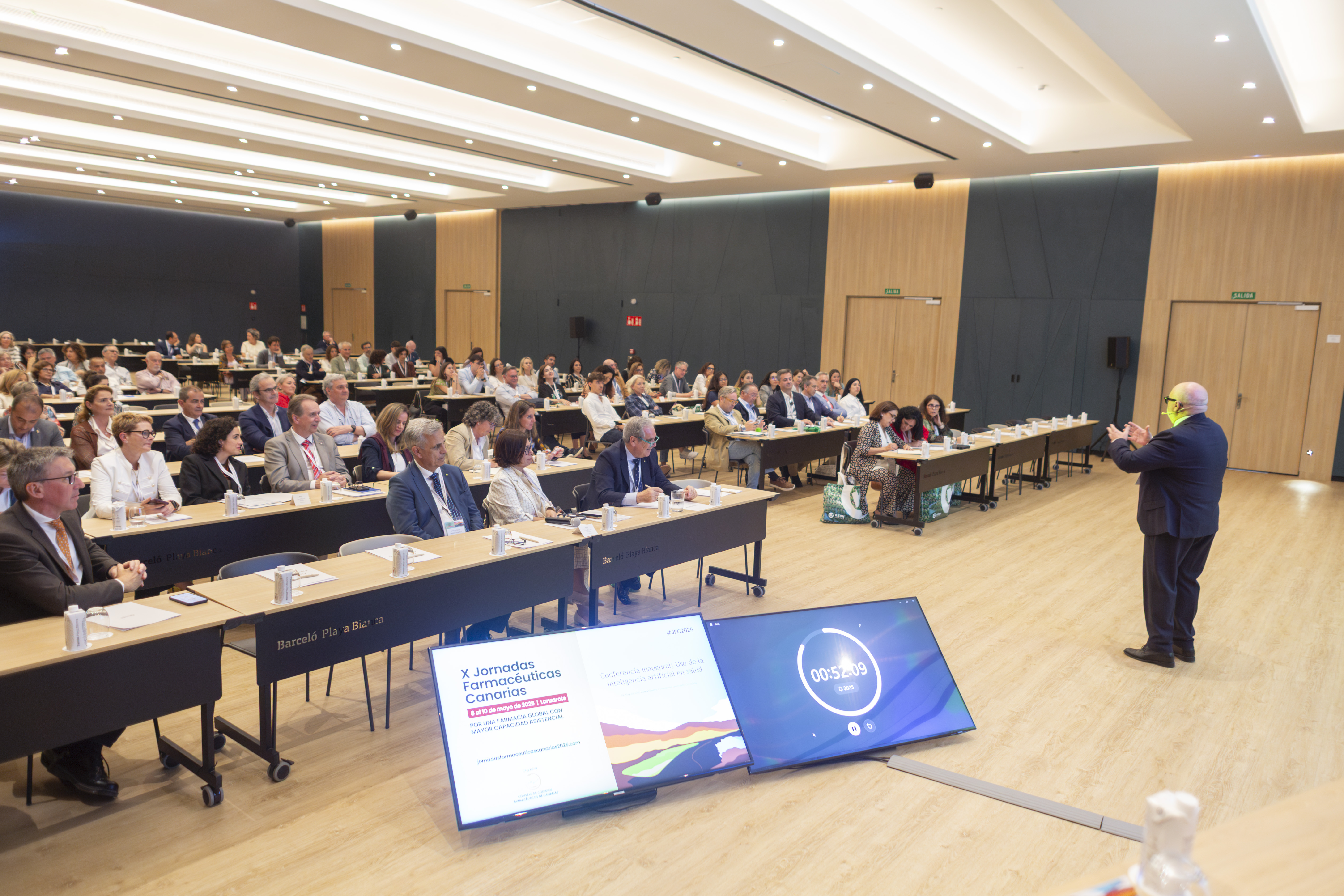
Julio Lorca Gómez, an expert in AI applied to health, spoke about its use for improving quality and highlighted the importance of integrating AI into the healthcare sector ethically and efficiently.
He addressed key aspects such as the clinical utility of AI, its application in therapeutic monitoring, its integration into management programs, the optimization of processes in pharmaceutical care, and the need for regulation and training to guarantee its responsible implementation.
Among the most relevant conclusions, he emphasized that “AI does not replace healthcare professionals, but rather acts as a tool that enhances their capabilities, allowing for more effective management of pharmacological treatment and better patient care.” He also underscored the importance of collaborative practice between professionals in the fields of technology and health to develop solutions that truly contribute to improving the quality of care.
 Care experiences
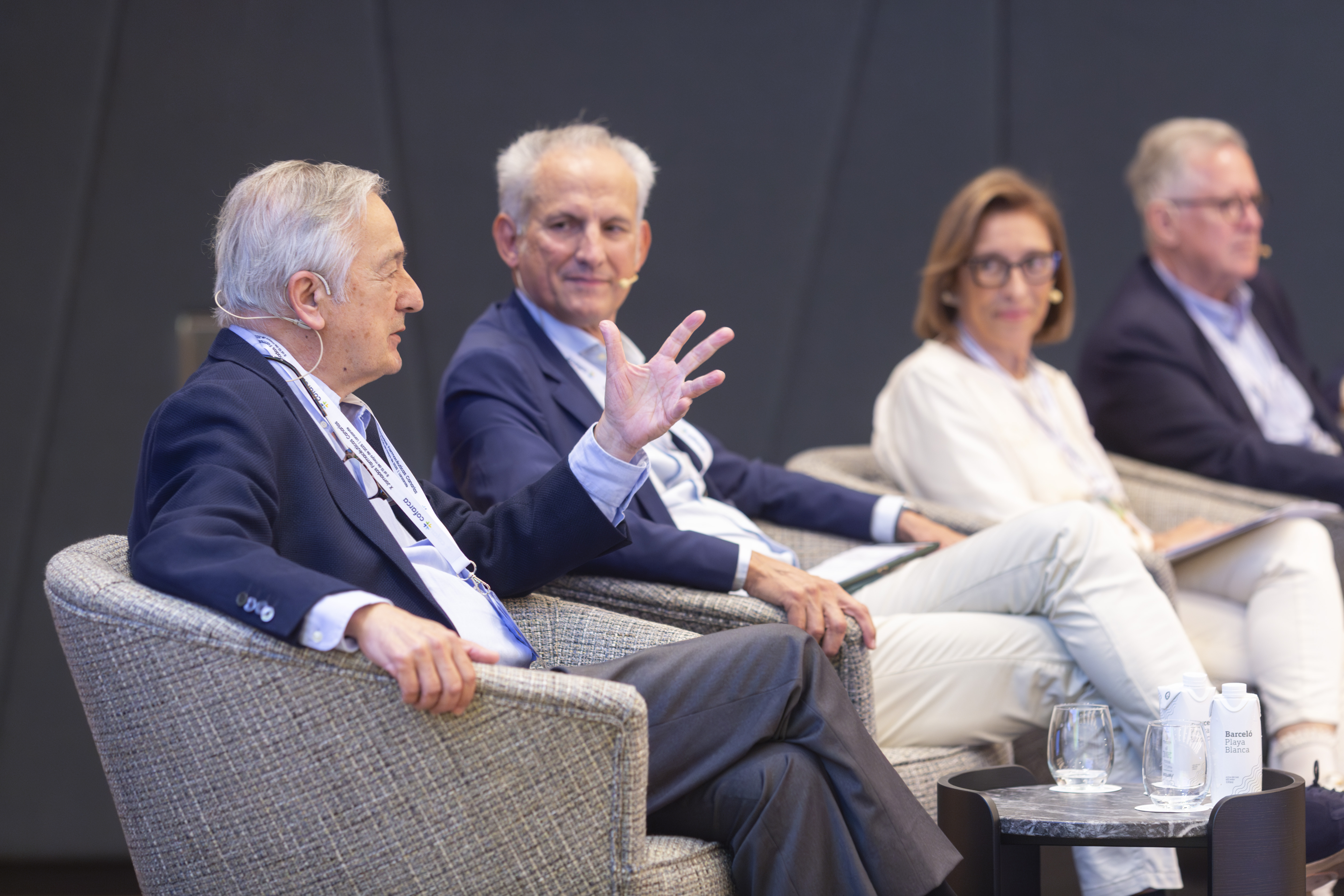
The first of the panels, held yesterday and moderated by the president of the General Council of Official Colleges of Pharmacists, Jesús Aguilar, focused on the real opportunities of pharmacy's healthcare capacity.
From this, it was deduced that the work of pharmaceutical care falls into three broad areas: health promotion and disease prevention, accessibility and care coordination, and pharmacotherapeutic care and monitoring.
This category includes screening and early detection services for diseases, collaborative dispensing of hospital medications, sentinel pharmacies, or medication management services.
Highlighting above all is the need for communication between healthcare settings, health centers, pharmacies, and pharmaceutical distribution, which must be performed simply and securely to ensure quality and sustainability.
Representatives from the autonomous communities of Catalonia, Navarre, Asturias, and Castile and León, who formed the committee, detailed the professional pharmaceutical care services (SPFA) they develop by collaborating with their respective health administrations. They agreed on priorities among the different health agents, focusing on the real needs of patients. They leverage the network of professionals that community pharmacies provide to improve population access to the healthcare system, as well as the success rates and coverage of various programs.
In this way, they all agreed in pointing out, the healthcare system is brought closer to patients, thus contributing to a decrease in demand and pressure on healthcare services.