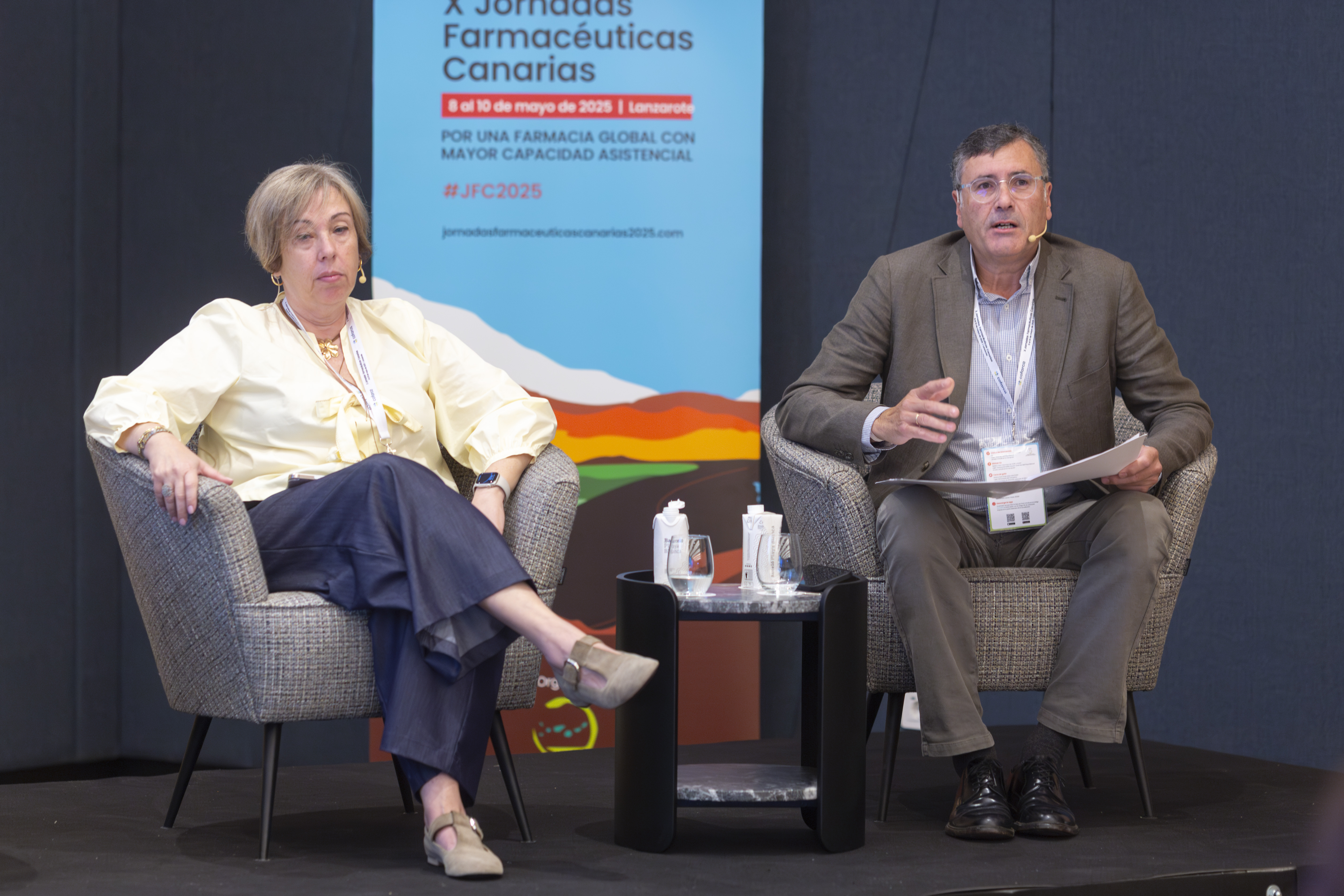




 Within the framework of the X Canary Islands Pharmaceutical Conference, the secretary of the Council of Canary Islands Pharmaceutical Colleges (COFCAN), Francisco Miranda, presented the document "Healthcare Pharmaceutical Professional Services (SPFA) in Canary Islands Pharmacies," the so-called White Paper, which recognizes the competencies of professionals and the accreditation of pharmacies for the provision of healthcare services to the population.
Miranda pointed out that “there are two fundamental pillars on which the exercise of the profession must be based. On the one hand, what legislation defines as competencies, and on the other, what society expects from pharmacists to meet its health needs.”.
Regarding the first point, it is enough to refer to the regulations governing the competencies, duties, and obligations of the professional. However, with respect to the second point, “it involves fine-tuning the healthcare offering of community pharmacies to meet the needs expressed by the population. This must be approached professionally and homogeneously, based on clearly defined, structured, and traceable services. Likewise, it highlights the large number of professionals in Canary Islands pharmacies, making us the European region with the highest number of pharmacy graduates per patient, which is a social achievement in our territory.”.
“We must always be attentive to what patients ask of us and value from us as accessible, approachable, trustworthy professionals with whom they can establish a long-term relationship. Based on these strengths, we should address their demands for community pharmacies more involved in the healthcare system, helping them better manage their illnesses and accompanying them in the challenge of longevity that society faces,” he asserted.
It is therefore about creating a framework that helps the population locate the professional services they require, beyond the traditional dispensing of medications, and provided by excellent professionals under a unified quality criterion umbrella that guarantees equitable access to them.
To help professionals achieve this, the Canary Islands pharmaceutical colleges will offer continuing education for training.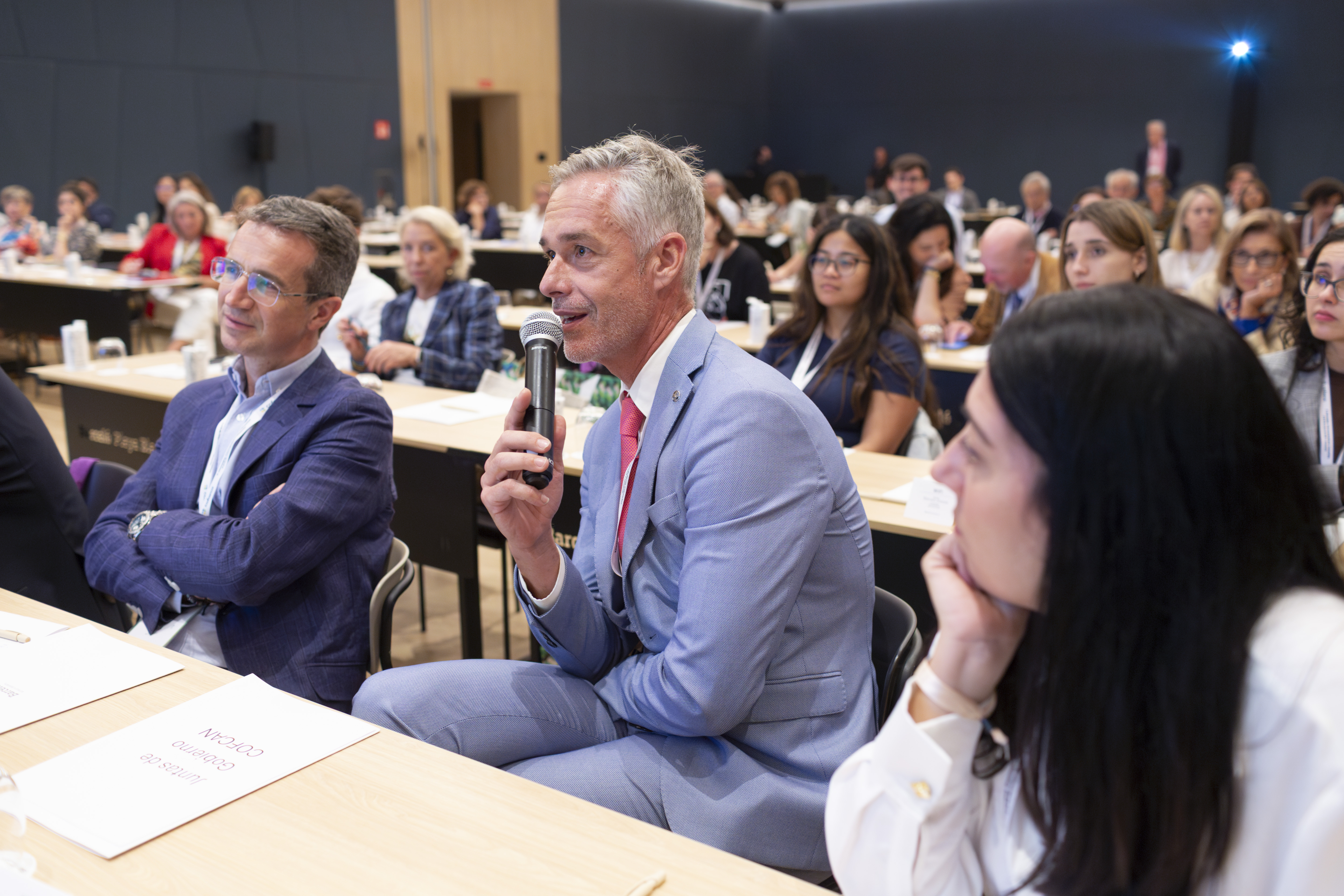
Among the SPFA are medication reconciliation, vaccination, repackaging of medications using SPD, pharmacovigilance, smoking cessation, health education, food safety and hygiene, environmental health, measurement of clinical parameters, screenings, nutritional counseling, and determining disease risk, among others.
The roundtable on Collaborative Drug Dispensing (DHDH), attended by the Director General of Healthcare Programs for the Government of the Canary Islands, Antonia María Pérez; the Head of the Pharmaceutical Regulation Service of the Canary Islands Health Service, Rodolfo Ríos Rull; the Founder of SEFAC Canarias, Bartolomé Domínguez del Río; and the Technician from the General Directorate of the Patient, Marina Martín, highlighted how a collaborative work model between different areas of the health system (Primary Care, Full-line pharmaceutical distribution, and Community Pharmacy) is possible. This model allows for efficient patient outreach, facilitating their access to treatments restricted to the hospital setting through community pharmacies, in a controlled and safe manner, ensuring continuity of care through pharmaceutical custody of the medication.
Combine the rigor of the hospital environment with the accessibility, flexibility, and proximity of community pharmacy in a protocolized process that guarantees real-time confidentiality and traceability.
Quality is reflected in patient satisfaction, and the benefits are visible to all stakeholders involved, highlighting patient comfort, secure distribution by a specialized distributor, and the decongestion of the hospital system.
To be able to carry it out, in addition to essential coordination, it requires having a real-time registration and tracking system.
The participants agreed on the community pharmacist's ability, beyond dispensing treatment, to strengthen the system by enhancing the information provided to the patient about it, as well as carrying out pharmacotherapeutic and adherence monitoring to evaluate outcomes.
Both training and specific information are key to developing this role.
SPD
The SPD is a weekly medication reconciliation SPFA whose main objective is to improve adherence to drug treatment by facilitating its correct use through adequate preparation and supervision by a pharmacist.
The regulations that apply to its oversight determine that the conditions and requirements must be established by the competent health administrations, with very diverse regional regulations.
In the Canary Islands, a draft is being worked on in accordance with the criteria agreed upon by the AEMPS Technical Inspection Committee, and the healthcare system is working on improving the tools that will allow it to be developed in a coordinated manner among all stakeholders.
 The attachment
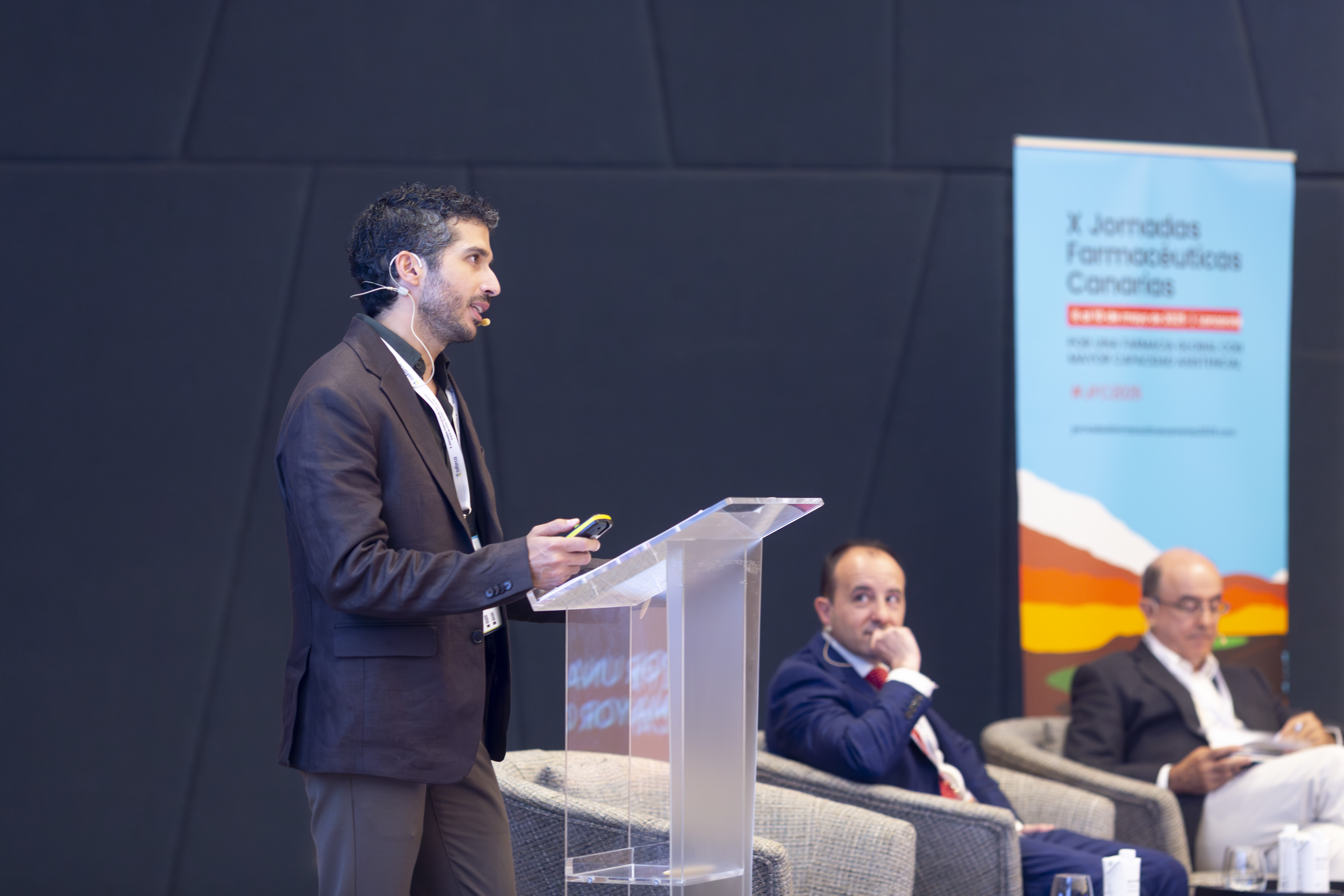
The roundtable developed on the role of the associate pharmacist highlighted the importance of strengthening their role to foster greater care capacity, emphasizing their contribution to healthcare and promoting a more global and accessible pharmacy.
The need to transform the working model in community pharmacies was highlighted, where the associate pharmacist leads a team that works in an integrated and collaborative manner, promoting closeness with patients and the identification of specific needs.
Likewise, the value of the pharmacy office in the development of professional competencies and in the consolidation of a network of pharmacists was highlighted.
The role of continuing education and skills development was another key point, considered a fundamental pillar for driving professional services in pharmacy.
Finally, the current challenges of the associate pharmacist were addressed, underscoring the need for greater professional recognition and increased decision-making autonomy.
Their closeness to the patient gives them a unique ability to detect specific needs, contributing significantly to disease prevention and the promotion of healthy habits in the community.
Closure
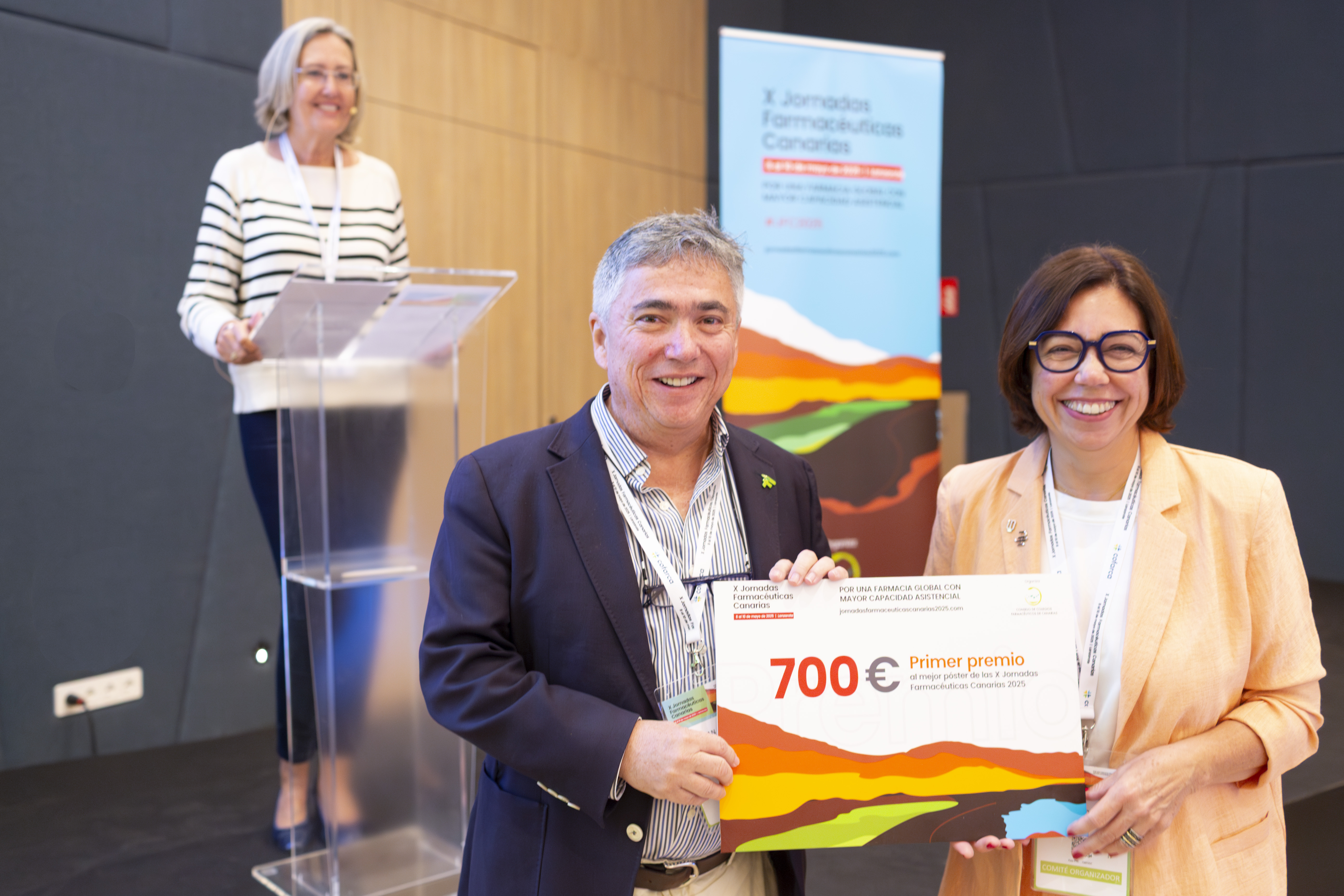 The president of the COFLP, Loreto Gómez, who closed the conference, highlighted the importance of the commitment pharmacists have to society and their role in the healthcare field, but warned that said commitment “requires permanent training and updating,” and encouraged them to fight for and apply pharmaceutical services in their full dimension.
The awards for the scientific posters presented were also given out, more than thirty of them, with the first prize going to Juan Ramón Santana Ayal (Use of Omeprazole and Drug Interaction Risks: Detection and Prevention in Pharmaceutical Care); the second for Cecilia Monzón Rodríguez (Impact of a Pharmacist's Continuous Recertification Strategy: One Year of Implementation), and the third for Manuel Ángel Galván González (Evolution of Communication Project between Health Centers - Pharmacies: Impact on Pharmaceutical Care and Reduction of In-Person Visits).