





Migraine is a neurological disease that manifests as intense headaches. It is extremely disabling and can be accompanied by vomiting, intolerance to light and sound, and other symptoms that prevent the normal development of daily activities, to the point where the WHO considers migraine the eighth most disabling disease in humanity, taking into account days of disability per year lived, behind multiple sclerosis, Alzheimer's, arthritis, and other musculoskeletal diseases or heart conditions. According to the Spanish Society of Neurology, one in seven people suffer from it, making it the sixth most prevalent disease in the world, affecting more than one billion people.
 Too often, those who suffer from it tend to self-medicate seeking relief that almost always ends up worsening the problem, making the pain increasingly frequent and difficult to treat, reducing the effectiveness of other treatments and leading to the chronification of the illness. In the Canary Islands, 18 % of the population suffers from it, approximately 400,000 people.
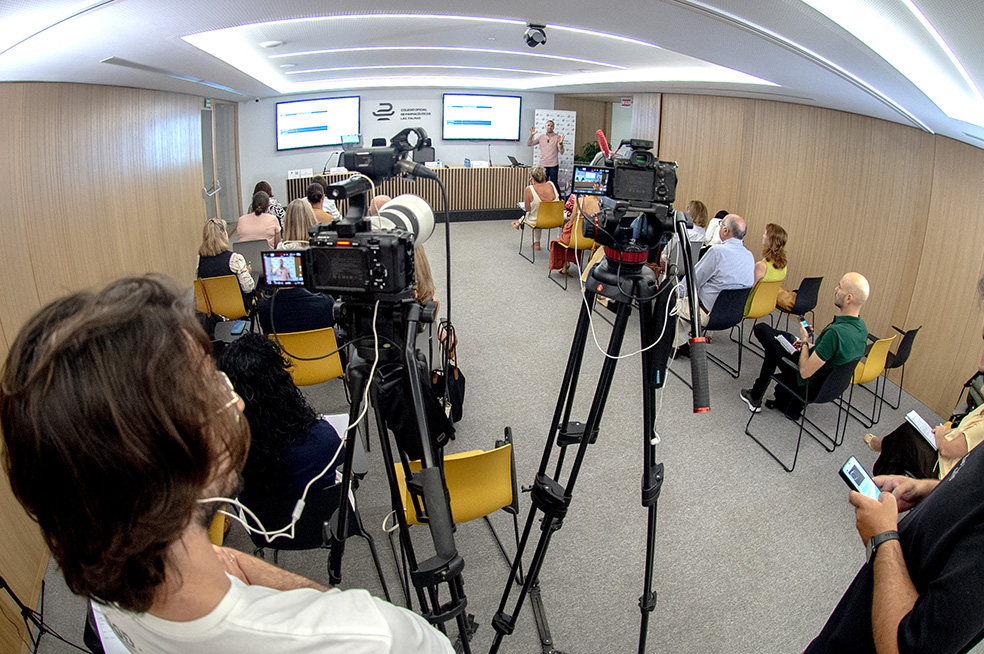
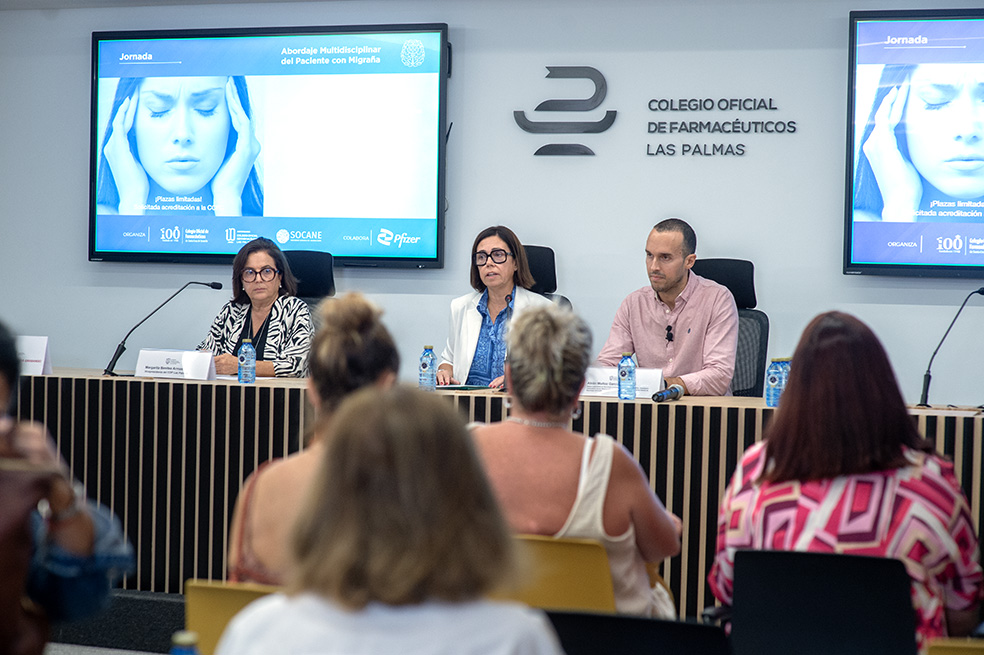
To prepare pharmaceutical professionals and better assist patients, the Canary Islands Neurology Society (SOCANE) and the official colleges of pharmacists of the Canary Islands have launched a campaign that aims to raise patient awareness and, more importantly, train healthcare professionals on this disease so that they have a better understanding of the different treatments and the risks associated with the excessive use of pain medication.
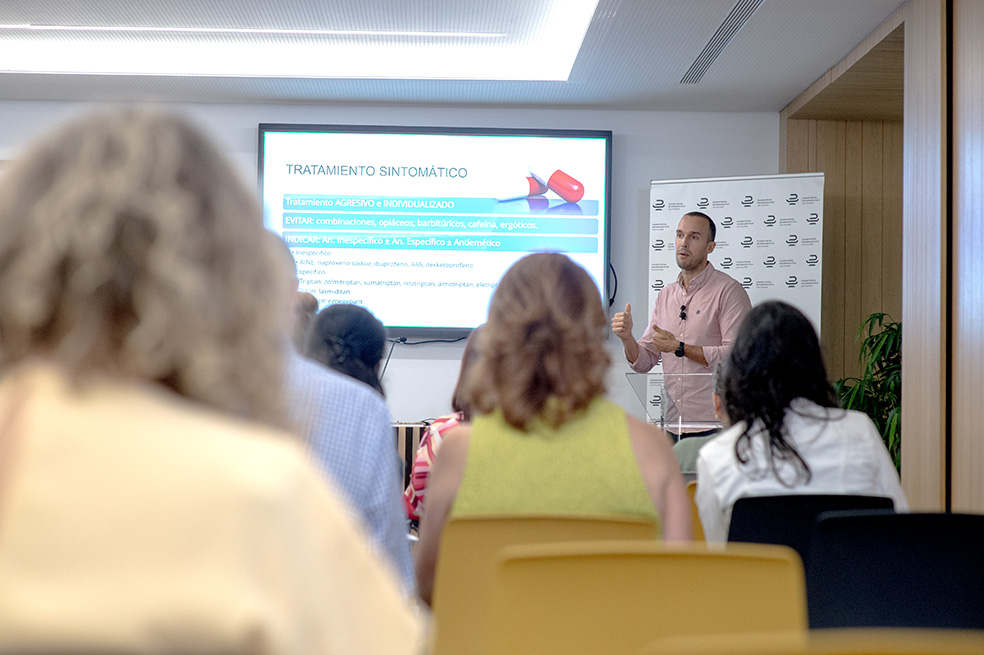
In the words of Abián Muñoz García, president of SOCANE, “only 17 % of patients use correct medication for the symptomatic treatment of migraine attacks,” while 45 % of patients “do not have a specific diagnosis.” On the other hand, Muñoz indicated that “even though 25 % of patients need a preventive, only 5 % receive it,” a figure based on the White Paper on Migraine.
He pointed out the importance of treatments being “individualized,” and explained the differences that exist between medical treatments for mild-moderate crises versus moderate-severe ones.
Likewise, he pointed out that excessive use should be considered as consuming NSAIDs more than 15 days per month; triptans more than 10 days per month; ergots more than 10 days per month; and, also, in the case of opiates, 10 days per month.
 Non-pharmacological treatment
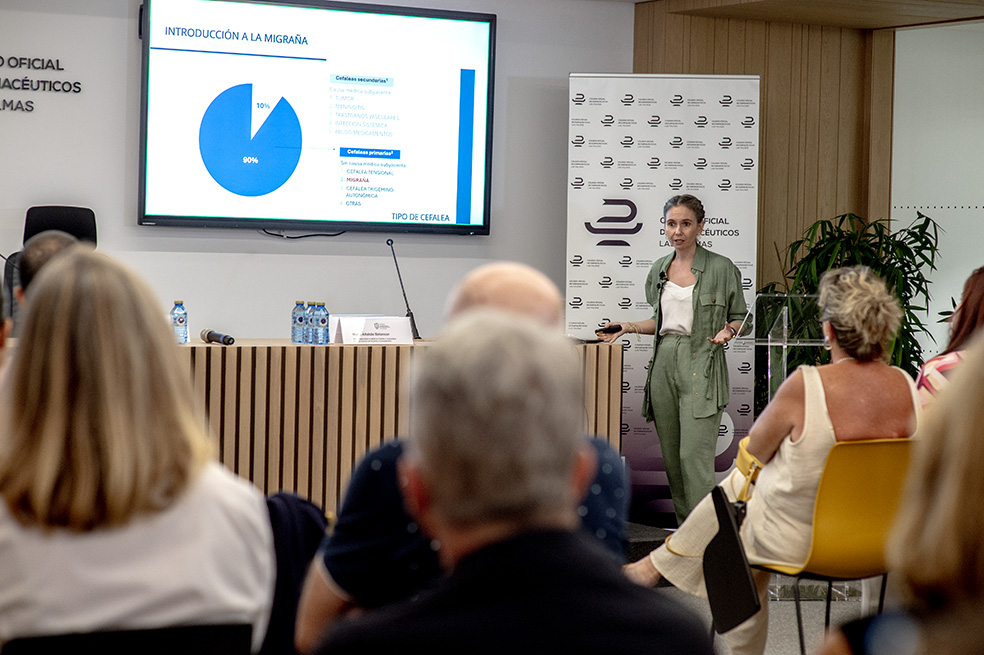
Primary care physician María Altabas Betancor wanted to emphasize during her presentation that “although it is a disabling disease, it does not put life at risk, though it is very uncomfortable.”.
He highlighted the importance of seeing a doctor for diagnosis and proper follow-up. He added that “as fundamental as following the treatment is for the patient to know themselves, as triggers can be varied,” noting that “while sharing opinions and emotional states can be good, this should not lead to sharing medication, as each case is different, even if the symptoms are similar or the same.”.
The pharmacist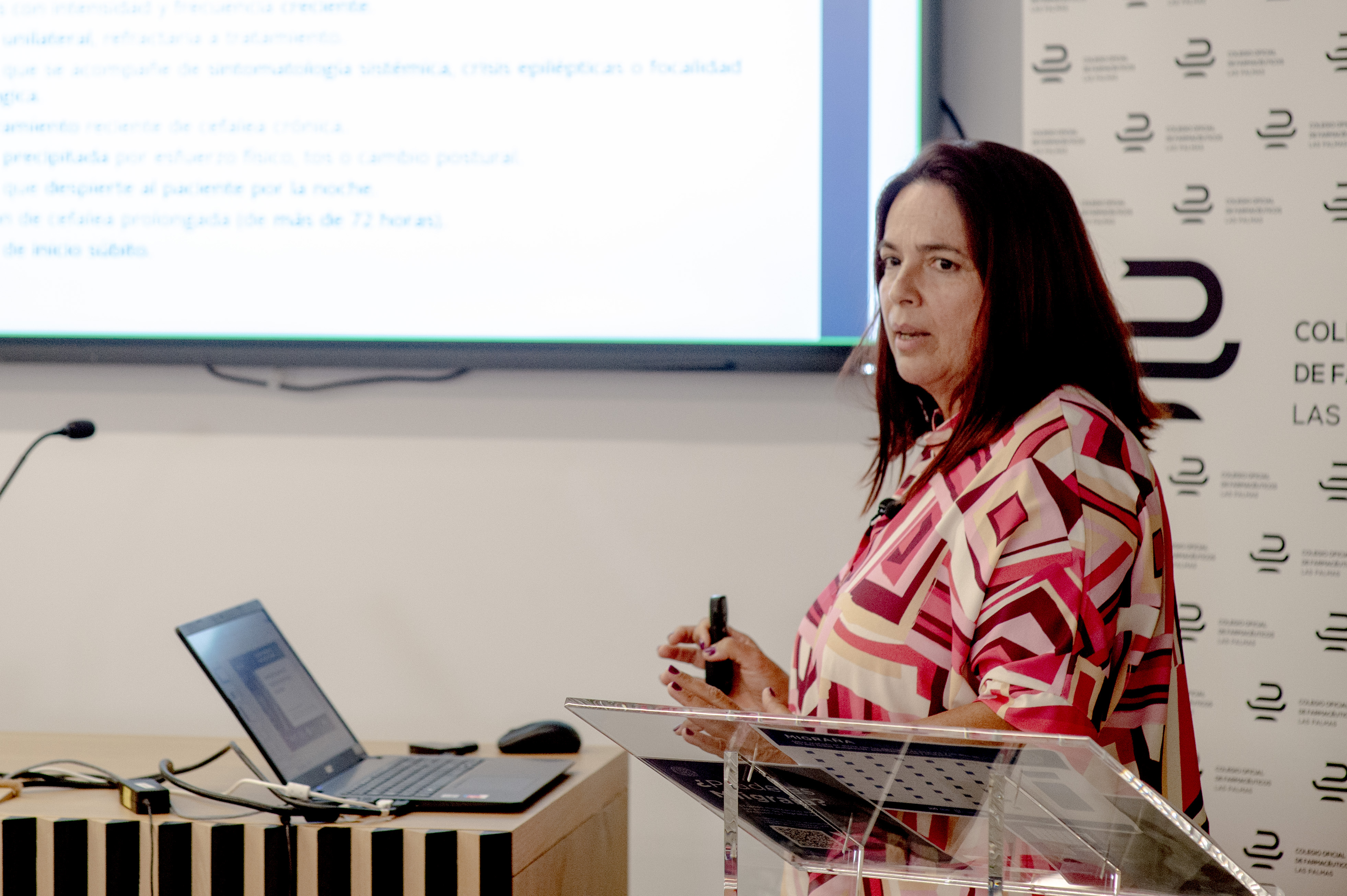
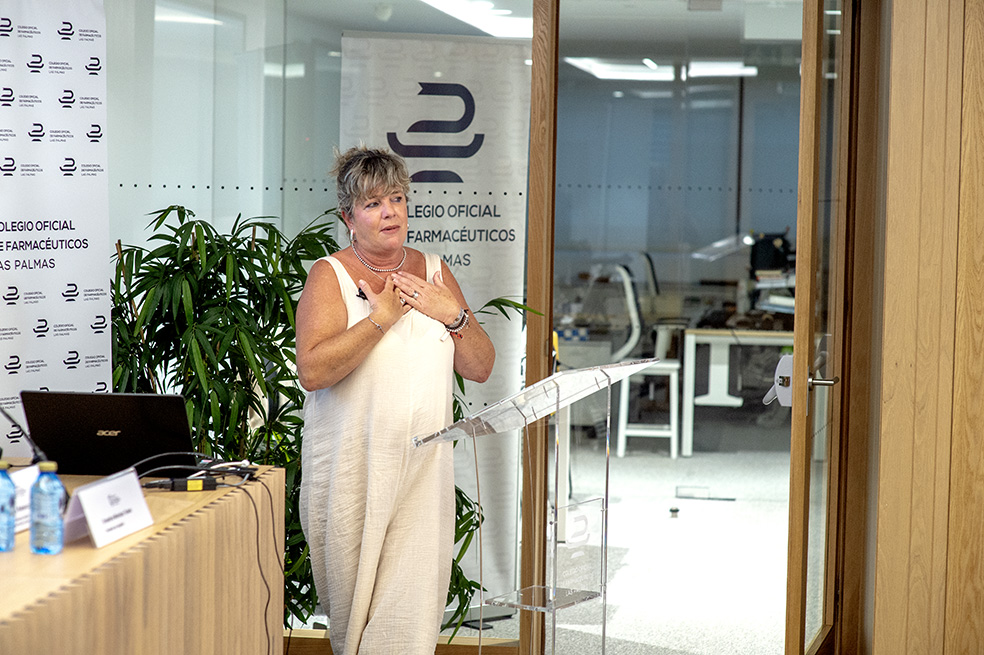
“As the closest and most accessible healthcare professional to the population,” commented pharmacist Elena Angulo in her presentation, “the apothecary has three fundamental tasks: detecting suspicion, referring to the doctor, and follow-up.”.
The accessibility of patients and their tendency to self-medicate give the pharmacist a fundamental role in disease detection, as those who suffer from migraines often settle for momentary, one-time solutions, overlooking the importance of being properly diagnosed and treated.
Angulo pointed out the relevance of tracking crises, noting the dates and preceding events, in order to establish a pattern.
The patient's gaze was met by Ernestina Mendoza, who asserted that the right treatment “gets you back to normal.” In this regard, she said, “my neurologist changed my life.”.
Your experience might be that of most migraine sufferers. “I started self-medicating,” she said, “doctors weren't diagnosing me or offering alternatives, which meant I couldn't live a normal life. I didn't go out, I didn't eat, and I often couldn't work, or I did things while suffering terrible headaches. After being diagnosed and treated, my life is different; it's normal.”.